
Menzo Faassen
LPCVirginia · 24 yrs exp
Practical, compassionate counseling for life transitions
Addictions · LGBT · Trauma and abuse · Grief · +10 more
Read profileAn independent directory. Not a crisis service.
Need help now?Therapist listings are provided by BetterHelp. We will earn a commission at no additional cost to you if you use our links to purchase.
These profiles show professionals with a listed location in Virginia who include adoption and foster care among their focus areas. Use the listings to compare approaches, credentials, languages and backgrounds, then browse individual profiles and confirm permission to work together where you live.
Virginia · 24 yrs exp
Practical, compassionate counseling for life transitions
Addictions · LGBT · Trauma and abuse · Grief · +10 more
Read profile
Virginia · 5 yrs exp
Calm, practical support for relationship and life changes
Relationship · Intimacy-related issues · Self esteem · Career · +11 more
Read profile
Virginia · 30 yrs exp
Calm, adaptable care for adult life transitions
Stress, Anxiety · Relationship · Grief · Self esteem · +2 more
Read profile
Virginia · 12 yrs exp
Supportive therapist using evidence-based techniques
Stress, Anxiety · Relationship · Grief · Depression · +1 more
Read profile
Virginia · 30 yrs exp
Experienced social worker for life transitions
Stress, Anxiety · Relationship · Parenting · Self esteem · +1 more
Read profile
Virginia · 14 yrs exp
Practical therapy for trauma and anxiety
Stress, Anxiety · Trauma and abuse · Self esteem
Read profile
Virginia · 3 yrs exp
Healing that honors your identity
Addictions · LGBT · Relationship · Grief · +1 more
Read profile
Virginia · 13 yrs exp
Helping people choose their next step
Stress, Anxiety · Relationship · Trauma and abuse · Intimacy-related issues · +11 more
Read profile
Virginia · 12 yrs exp
Practical, down-to-earth counseling for life challenges
Stress, Anxiety · Relationship · Anger · Self esteem · +16 more
Read profile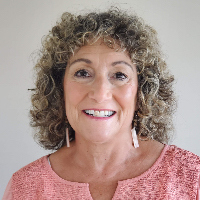
Virginia · 30 yrs exp
Seasoned LCSW helping people navigate life changes
Stress, Anxiety · Family · Parenting · Self esteem · +14 more
Read profile
Virginia · 14 yrs exp
Compassionate, practical therapy for everyday life
Relationship · Family · Parenting · Self esteem · +6 more
Read profile
Virginia · 6 yrs exp
Care focused on stress, trauma, and parenting
Stress, Anxiety · Trauma and abuse · Parenting · Depression · +4 more
Read profile
Virginia · 35 yrs exp
Experienced LCSW focused on practical recovery
Stress, Anxiety · Trauma and abuse · Grief · Depression · +12 more
Read profile
Virginia · 6 yrs exp
Practical, empathetic therapy for life transitions
Stress, Anxiety · Relationship · Self esteem · Coping with life changes · +6 more
Read profile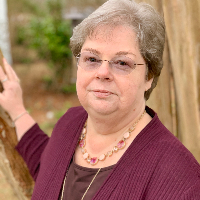
Virginia · 19 yrs exp
Compassionate counselor blending clinical and faith perspectives
Stress, Anxiety · Grief · Anger · Self esteem · +9 more
Read profile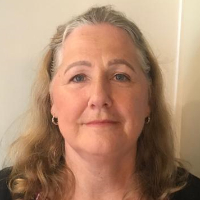
Virginia · 20 yrs exp
Experienced LICSW for practical support
Stress, Anxiety · Addictions · Relationship · Family · +9 more
Read profile
Virginia · 20 yrs exp
Practical, goal-focused therapy with compassion
Stress, Anxiety · Family · Trauma and abuse · Anger · +9 more
Read profile
Virginia · 6 yrs exp
Compassionate, practical help for life transitions
Stress, Anxiety · Family · Trauma and abuse · Parenting · +10 more
Read profile
Virginia · 17 yrs exp
Calm, practical counseling for life changes
Relationship · Family · Trauma and abuse · Parenting · +11 more
Read profile
Virginia · 23 yrs exp
Compassionate counselor for trauma and family concerns
Stress, Anxiety · Relationship · Family · Depression · +1 more
Read profile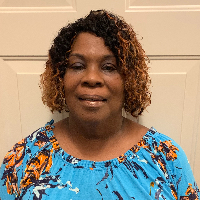
Virginia · 27 yrs exp
Practical, direct counseling for real-life challenges
Stress, Anxiety · Addictions · Anger · Self esteem · +9 more
Read profile
Virginia · 13 yrs exp
Practical, respectful counseling for everyday struggles
Stress, Anxiety · Family · Trauma and abuse · Parenting · +12 more
Read profile
Virginia · 30 yrs exp
Compassionate clinician with practical tools
Stress, Anxiety · LGBT · Relationship · Trauma and abuse · +12 more
Read profile
Virginia · 15 yrs exp
Therapist focused on attachment and healing
Relationship · Family · Trauma and abuse · Grief · +15 more
Read profileIf you are an adoptee, a birth parent, an adoptive or foster parent, or an adult who grew up in care, you may carry a mix of questions about identity, attachment, loss and belonging. You might be wondering how early separation shaped your relationships, how reunion conversations could affect a family, or how to talk with children about origins and identity in a way that feels honest and supportive. Some people come looking for help with grief tied to placement or with parenting adjustments when a child arrives into your home. Others want a space to sort through complex feelings about reunion, contact, or the role of culture and ancestry in identity. You can expect to explore how past experiences show up in current relationships, how family narratives are shared across generations, and how to build connections that respect each person’s story.
Different life stages raise different priorities. Young children may need help with routines and attachment behaviors, adolescents may be processing identity and belonging, and adults who grew up in care often revisit long-standing questions about relationships and self-concept. Keep in mind that the profiles in this directory indicate a focus area, not verification of a specialist certification or a promise of a particular outcome. Use this section of the page to reflect on what matters most to you now so you can compare profiles with that purpose in mind.
When you look at a profile that shows a listed location in Virginia, remember the listing groups professionals associated with that place but does not itself confirm any specific office details or ongoing permission to work in every setting. You should check each individual profile for notes about practice location and then ask the professional to confirm permission to work together where you live. If you are considering an online option, also ask whether their professional permission allows them to provide care across state lines.
Credentials on profiles can include academic degrees such as PhD, PsyD, MD, MA or MSW and also mention professional licenses, registrations or memberships. A degree describes an earned qualification, while a license, registration or membership is the mechanism by which a professional is permitted to practice in a jurisdiction. In the United States this usually appears as state licensure. In the United Kingdom and Australia you may see references to registration bodies or professional associations. A degree alone does not establish current permission to practice. When comparing profiles, notice how credentials are described and ask the professional directly about their current authorization to work with you in Virginia.
Choosing someone who lists adoption or foster care among their focus areas involves matching their approaches and experience to your needs. You can ask whether they have experience with the kinds of situations you face, such as identity exploration after adoption, reunification conversations, care-experience in adulthood, or parenting after fostering. Phrase questions to gather specifics - for example, ask how they typically support families navigating contact arrangements or what they explore first when working with an adoptee who is searching for origins. When therapy approaches are listed on a profile, those are options to discuss rather than guarantees. You might ask how a therapist uses a particular approach and what that looks like in sessions, or how they decide which approach to prioritize for a given family.
It is also useful to ask about experience with related systems and transitions. If your situation involves schools, pediatric care, or social services, ask how the professional works alongside those systems and what communication you can expect. For adoptive and foster parents, you can ask about support for parenting strategies, attachment-focused interventions, or ways to manage grief and behavioral challenges without assuming one path fits all. Remember that the presence of an approach on a profile does not equal certification, so frame questions around practical implications for your case.
If you are considering online sessions with a professional listed in Virginia, there are practical matters to discuss ahead of time. Confirm whether the professional has permission to work with clients in your jurisdiction and discuss the technological and privacy arrangements they use during sessions. Ask about how they handle records, how you can reach them between sessions if needed, and what to expect if there is an urgent matter. Talk about how sessions will address your specific adoption- or foster-related concerns, and whether you will include family members or other supports in sessions when appropriate.
You should also clarify who the professional works with through this directory, because profiles here do not establish that a therapist treats children, couples or families. If your situation involves minors, guardianship, or legal questions, remember therapists listed here do not handle custody or legal processes; you may need separate legal or casework support. Before you begin, discuss roles and boundaries so you and the professional have the same expectations about the scope of work and any coordination with other providers or agencies involved in your situation.
Comparing profiles thoughtfully helps you narrow choices. Start by thinking about the focus areas you want - whether that is identity work, parenting through foster transitions, grief related to adoption, or reunion navigation - and look for profiles that explicitly list those topics. Pay attention to the languages a professional lists, especially if you prefer to speak in a language other than English or want to involve family members who are more comfortable in a different language. Language ability can affect how you express nuance and cultural background in sessions.
Next, compare credentials and the terminology used on profiles. Note academic degrees separately from professional permissions to practice. If you see references to registration or membership in the United Kingdom or Australia, understand those function differently than state licensure in the United States and ask how that relates to practice with Virginia residents. Style and approach are also important - some professionals describe their work as relational, narrative, attachment-focused or skills-based. Rather than assuming what those labels mean, use direct questions to learn how a professional adapts their style to the needs of families and individuals impacted by adoption or foster care. Finally, consider practical fit - the professional's stated focus areas, the way they describe working with people, and the languages they list. Use those points as the basis for a conversation so you can determine whether a profile aligns with your priorities and whether permission to work together can be confirmed for your situation.
Abandonment
2501 therapists
Adoption
3765 therapists
Attachment Issues
2579 therapists
Blended Family Issues
2510 therapists
Caregiver Issues and Stress
2594 therapists
Communication Problems
3125 therapists
Compassion Fatigue
2062 therapists
Coping with Life Changes
3086 therapists
Family
2967 therapists
Family of Origin Issues
2173 therapists
Fatherhood Issues
1549 therapists
Fertility Issues
1149 therapists
Forgiveness
2773 therapists
Foster Care
3765 therapists
Life Purpose
2918 therapists
Parenting
2733 therapists
Relationship
3107 therapists
Self-Love
2904 therapists