
Yumi Lemaster
LCSWTexas · 13 yrs exp
Compassionate, practical therapy focused on relationships
Stress, Anxiety · Relationship · Trauma and abuse · Anger · +11 more
Read profileAn independent directory. Not a crisis service.
Need help now?Therapist listings are provided by BetterHelp. We will earn a commission at no additional cost to you if you use our links to purchase.
Compare therapists' credentials, approaches, languages, and experience with adoption and foster care listed in Texas. Browse profiles to learn more and confirm each therapist's permission to work with you where you live.
Texas · 13 yrs exp
Compassionate, practical therapy focused on relationships
Stress, Anxiety · Relationship · Trauma and abuse · Anger · +11 more
Read profile
Texas · 10 yrs exp
Compassionate, practical counseling in Texas
Stress, Anxiety · Relationship · Family · Depression · +14 more
Read profile
Texas · 21 yrs exp
Practical, culturally aware support for life changes
Stress, Anxiety · Relationship · Trauma and abuse · Intimacy-related issues · +15 more
Read profile
Texas · 22 yrs exp
Compassionate counselor who adapts therapy to you
Stress, Anxiety · Relationship · Trauma and abuse · Depression · +16 more
Read profile
Texas · 24 yrs exp
Compassionate, practical counseling for life changes
Stress, Anxiety · LGBT · Trauma and abuse · Career · +11 more
Read profile
Texas · 33 yrs exp
Helping people move past stress and relationship strain
Stress, Anxiety · Relationship · Family · Self esteem · +11 more
Read profile
Texas · 20 yrs exp
Compassionate clinician helping people make change
Stress, Anxiety · Addictions · Family · Grief · +15 more
Read profile
Texas · 8 yrs exp
Compassionate, practical counseling for life changes
Stress, Anxiety · Self esteem · Career · Depression · +8 more
Read profile
Texas · 14 yrs exp
Compassionate care for complex life challenges
Stress, Anxiety · Anger · Depression · ADHD · +7 more
Read profile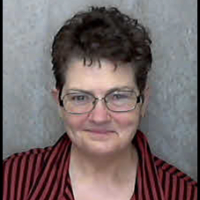
Texas · 35 yrs exp
Experienced LCSW-C focused on relationships and recovery
Stress, Anxiety · Relationship · Family · Trauma and abuse · +14 more
Read profile
Texas · 13 yrs exp
Change repeating patterns into clearer choices
Stress, Anxiety · Relationship · Family · Parenting · +14 more
Read profile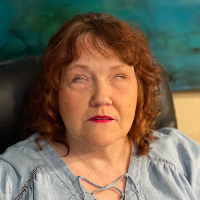
Texas · 16 yrs exp
Calm, practical counseling for life changes
Stress, Anxiety · Family · Parenting · Bipolar · +11 more
Read profile
Texas · 12 yrs exp
Caring, practical counseling for life transitions
Stress, Anxiety · Addictions · Relationship · Trauma and abuse · +14 more
Read profile
Texas · 20 yrs exp
Experienced Texas LPC focused on relationships and life changes
Stress, Anxiety · Relationship · Depression · Coping with life changes · +12 more
Read profile
Texas · 17 yrs exp
Warm, practical therapy for life transitions
Stress, Anxiety · Relationship · Family · Trauma and abuse · +11 more
Read profile
Texas · 16 yrs exp
Supportive LPC focused on practical skills
Stress, Anxiety · Addictions · Trauma and abuse · Parenting · +14 more
Read profile
Texas · 20 yrs exp
Supportive counselor for life transitions
Stress, Anxiety · Relationship · Trauma and abuse · Depression · +11 more
Read profile
Texas · 24 yrs exp
Practical, compassionate support for life changes
Stress, Anxiety · LGBT · Self esteem · Depression · +13 more
Read profile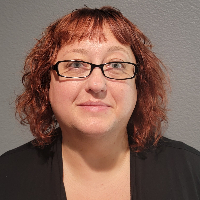
Texas · 15 yrs exp
Compassionate counselor for complex life challenges
Stress, Anxiety · LGBT · Relationship · Trauma and abuse · +13 more
Read profile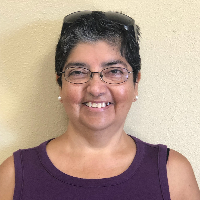
Texas · 29 yrs exp
Supportive counselor for life changes
Stress, Anxiety · Anger · Self esteem · Depression · +8 more
Read profile
Texas · 3 yrs exp
Practical, person-centered support for everyday struggles
Stress, Anxiety · Addictions · Parenting · Self esteem · +11 more
Read profile
Texas · 22 yrs exp
Experienced counselor for mood and trauma
Stress, Anxiety · Family · Trauma and abuse · Parenting · +8 more
Read profile
Texas · 17 yrs exp
Practical, respectful counseling for life changes
Stress, Anxiety · Relationship · Grief · Self esteem · +12 more
Read profile
Texas · 30 yrs exp
Calm, experienced counselor for life changes
Relationship · Grief · Parenting · Career · +12 more
Read profileWhen you start searching for a therapist who understands adoption or foster care, you may be coming from many different places - as an adoptee exploring identity, a birth parent processing loss and reunion, an adoptive or foster parent adjusting to family life, or an adult who grew up in care and wants to revisit long-held questions. You might want a clinician who listens to stories about attachment, separation, grief, reunion, and family transitions without forcing a single narrative. You may also want someone who is familiar with the cultural and racial dimensions that can shape experiences of belonging, particularly in transracial adoption or when cultural heritage has been interrupted.
Therapy can be a place to explore questions about identity, the effects of early separation, the dynamics of attachment, and the practical stresses of parenting after adoption or fostering. Keep in mind that therapists listed in this directory are included because they list adoption and foster care among their focus areas. That listing is not evidence of a specialty certification or of involvement in legal processes. Therapists do not handle adoption, fostering, custody, or other legal processes as part of their role in this directory, and this directory does not provide services for children. It is important that you talk with a clinician directly about the kinds of issues you want to address and about the populations they work with.
This directory groups profiles under the listed location Texas so you can find clinicians connected to that region, but a listed location does not necessarily mean an office address, a local practice, or that a clinician holds current permission to work with you where you live. Profiles vary in the information they display. Some include an office address or clinic details; others do not. Always check the individual profile and contact the clinician to confirm they are permitted to provide services in your state or country before making commitments.
Academic degrees and professional permission to practice are different things. A clinician may show degrees such as PhD, PsyD, MD, MA, or MSW as part of their educational background. Separate from degrees, the terms used for permission to practice vary by country. In the United States you will often see state licenses listed; in the United Kingdom clinicians may note registration or membership with professional bodies; and in Australia clinicians may reference registration or membership with national or regional organizations. A degree alone does not establish current permission to practice. When a profile mentions a license, registration, or membership, you can ask the clinician to clarify whether that credential authorizes them to provide care in your location.
Before you decide to reach out, think about the concrete questions that will help you compare clinicians. You can ask how long they have worked with people whose lives involve adoption, fostering, or growing up in care, and what kinds of situations they usually support. Ask whether they work primarily with adults, parents, couples, or families, and whether they work with the age group you need. Ask clinicians to describe how they understand attachment, identity, trauma, loss, and reunion, and request examples of the issues they commonly address when working with adoption-related concerns.
Ask about approaches you are curious about in a way that acknowledges the profile language: for example, you might say, "I see you list EMDR among your approaches - can you tell me how you use that approach with adoption-related trauma?" or "You list family systems and attachment-focused approaches - how might those influence the way you work with a family adjusting after adoption?" Those kinds of conversational questions invite the clinician to explain what their approach looks like in practice and whether it matches your expectations. Also ask how they consider cultural identity and race in their work, how they support reunions when those arise, and what they find helpful when parents bring concerns about attachment or behavioral needs. These specifics will help you compare profiles on substance rather than on general labels.
If you plan to work online or across state lines, confirm regulatory and practical details up front. Rules about providing care across borders vary by jurisdiction. Ask the clinician whether they have permission to offer services to people living in your state or country and how they handle differences in regulation. You can also ask about communication methods, how they handle appointment scheduling and cancellations, and what they recommend if you need urgent support between sessions. Be explicit about emergency planning - ask what steps they suggest if you are in crisis and whether they can help you identify local crisis resources and supports.
Privacy and data handling are important topics to clarify. Since this directory does not collect clinical records, ask the clinician how they protect your information, what platforms they use for remote sessions, and how they document progress and notes. It is reasonable to ask about session structure, expected length of work, and how therapy goals are set and reviewed. Again, confirm that the clinician offers services for the type of client you are - this directory does not list services for children, so if you are seeking child-focused therapy you should verify that directly with the clinician.
When you look at profiles in Texas, compare them using several practical lenses. Read biographies to understand the clinician's stated interests and populations. Look for explicit mentions of adoption-related topics you care about - identity work, attachment repair, grief and loss, reunion navigation, transracial adoption concerns, or parenting after foster care. Note which clinicians list particular approaches you want to discuss; for instance, some therapists list EMDR among their approaches while others list narrative, attachment-focused, or family systems approaches. Those entries are prompts for conversation, not proof of formal certification, so use them as starting points for questions.
Languages and cultural competency can be central to feeling understood. Profiles that list languages spoken can help if you prefer to speak in a language other than English, and a biography that describes cultural expertise or lived experience can point to clinicians who may relate well to your background. Compare credentials by paying attention to the combination of degrees and permission to practice in your jurisdiction. Consider the tone of a profile - whether it feels clinical, warm, direct, or reflective - as an indicator of style, but remember that a conversation will reveal more about interpersonal fit. Ultimately, contact several clinicians to discuss the specific goals you have and to confirm that they have permission to work with you in your location. Browsing multiple profiles and asking focused questions will help you find a professional whose approach and experience align with the support you are seeking.
Abandonment
2501 therapists
Adoption
3765 therapists
Attachment Issues
2579 therapists
Blended Family Issues
2510 therapists
Caregiver Issues and Stress
2594 therapists
Communication Problems
3125 therapists
Compassion Fatigue
2062 therapists
Coping with Life Changes
3086 therapists
Family
2967 therapists
Family of Origin Issues
2173 therapists
Fatherhood Issues
1549 therapists
Fertility Issues
1149 therapists
Forgiveness
2773 therapists
Foster Care
3765 therapists
Life Purpose
2918 therapists
Parenting
2733 therapists
Relationship
3107 therapists
Self-Love
2904 therapists