
Dr. Julie McCune
LPCCOhio · 25 yrs exp
Experienced empathic clinician focused on practical coping skills
Stress, Anxiety · LGBT · Relationship · Self esteem · +16 more
Read profileAn independent directory. Not a crisis service.
Need help now?Therapist listings are provided by BetterHelp. We will earn a commission at no additional cost to you if you use our links to purchase.
Browse profiles listed under the Ohio location to compare focus areas, qualifications, languages, and therapeutic approaches. Click any profile to read details and confirm the clinician's permission to work with you where you live.
Ohio · 25 yrs exp
Experienced empathic clinician focused on practical coping skills
Stress, Anxiety · LGBT · Relationship · Self esteem · +16 more
Read profile
Ohio · 17 yrs exp
Supportive Ohio-based licensed social worker
Stress, Anxiety · Family · Parenting · Depression · +12 more
Read profile
Ohio · 17 yrs exp
Practical counseling for life transitions
Stress, Anxiety · Addictions · Depression · Relationship · +12 more
Read profile
Ohio · 25 yrs exp
Therapist focused on clear, practical support
Stress, Anxiety · Relationship · Family · Trauma and abuse · +16 more
Read profile
Ohio · 23 yrs exp
Compassionate counseling for life transitions
Stress, Anxiety · Relationship · Trauma and abuse · Bipolar · +11 more
Read profile
Ohio · 4 yrs exp
Compassionate counselor for life transitions
Self esteem · Stress, Anxiety · LGBT · Relationship · +6 more
Read profile
Ohio · 33 yrs exp
Compassionate counselor focused on practical change
Stress, Anxiety · LGBT · Family · Trauma and abuse · +15 more
Read profile
Ohio · 4 yrs exp
Compassionate support grounded in real life
Stress, Anxiety · Relationship · Family · Parenting · +9 more
Read profile
Ohio · 28 yrs exp
Practical, values-focused psychologist with education roots
LGBT · Family · Parenting · Coaching · +13 more
Read profile
Ohio · 7 yrs exp
Compassionate social worker focusing on practical change
Stress, Anxiety · Addictions · Trauma and abuse · Grief · +1 more
Read profile
Ohio · 20 yrs exp
Warm, practical counseling focused on change
Stress, Anxiety · Relationship · Self esteem · Depression · +7 more
Read profile
Ohio · 11 yrs exp
Listening, steady support, practical skills
Stress, Anxiety · Family · Trauma and abuse · Anger · +1 more
Read profile
Ohio · 19 yrs exp
Partner for clearer choices and kinder self-talk
Relationship · Self esteem · Depression · Coping with life changes · +1 more
Read profile
Ohio · 15 yrs exp
Helping people build healthier relationships
Stress, Anxiety · Relationship · Family · Trauma and abuse · +1 more
Read profile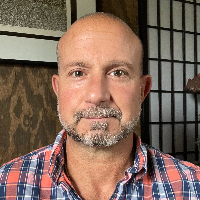
Ohio · 22 yrs exp
Healing through practical guidance and collaboration
Stress, Anxiety · Addictions · Self esteem · Depression · +16 more
Read profile
Ohio · 13 yrs exp
Practical, listening-centered counseling in Ohio
Stress, Anxiety · Relationship · Self esteem · Depression · +12 more
Read profile
Ohio · 45 yrs exp
Experienced LPCC blending practical and reflective therapy
Stress, Anxiety · Addictions · Trauma and abuse · Grief · +13 more
Read profile
Ohio · 14 yrs exp
Compassionate therapist focused on practical change
Stress, Anxiety · Relationship · Trauma and abuse · Parenting · +12 more
Read profile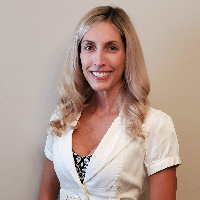
Ohio · 19 yrs exp
Therapist helping people find steady ground
Stress, Anxiety · Relationship · Grief · Intimacy-related issues · +14 more
Read profile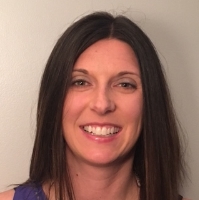
Ohio · 18 yrs exp
Compassionate clinician for relationship and trauma concerns
Stress, Anxiety · Family · Trauma and abuse · Depression · +9 more
Read profile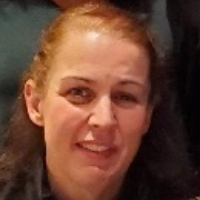
Ohio · 15 yrs exp
Compassionate, practical support for life transitions
Stress, Anxiety · Family · Trauma and abuse · Grief · +9 more
Read profile
Ohio · 30 yrs exp
Renew direction with steady, experienced support
Relationship · Family · Trauma and abuse · Depression · +8 more
Read profile
Ohio · 22 yrs exp
Compassionate practical therapy for real-life challenges
Stress, Anxiety · Relationship · Family · Parenting · +15 more
Read profile
Ohio · 20 yrs exp
Practical, calm support for family challenges
Relationship · Family · Grief · Parenting · +1 more
Read profileWhen adoption or foster care touches your life you may carry a mix of practical questions and deeper emotional threads. You might be exploring identity - who you are in relation to birth family, adoptive family, culture, or community - or navigating feelings about loss and reunion. Parents who adopted or who foster face adjustment challenges as family roles change, attachments form, and boundaries shift. Birth parents often cope with grief, complicated decisions, and ongoing relationships that can include contact or limited information. Adults who grew up in care may still work through questions of belonging, long-term attachment patterns, and the influence of early placements on adult relationships.
You do not have to have a single diagnosis to seek support. Many people look for a space to process loyalty conflicts, anniversary reactions, or practical needs such as preparing for a reunion conversation. Note that therapists listed here do not provide legal representation or handle adoption, fostering, custody, or other court processes through this directory. If you are exploring services for a child, discuss the clinician's scope directly on their profile before beginning a working relationship.
The Ohio location on a profile groups professionals by a listed location but does not guarantee a physical office in a particular city or automatic permission to work with every resident. You should open each profile to see how a clinician describes their practice and to confirm whether they are permitted to work with you where you live. In the United States, clinicians typically describe a state license or the board that issues permission to practice. In the United Kingdom and Australia you may see references to registration, professional membership, or national boards, which operate differently from U.S. state licensing systems. Academic degrees such as PhD, PsyD, MD, MA, or MSW indicate training, but a degree alone does not establish current permission to practice in a location. Look for the profile's language about licensure, registration, or membership and ask the clinician directly if you need confirmation about jurisdiction or practice permissions.
Also pay attention to how a profile frames its adoption and foster care experience. The directory records that a clinician lists these among their additional focus areas, which is not the same as a formal specialization or certification. Profiles are a starting point for questions - they help you narrow whom you might contact and what to ask next.
When you review a profile, think about concrete questions that will reveal how a clinician works with people who share parts of your story. You might ask which populations the clinician regularly works with - adoptees, adoptive parents, birth parents, adults who grew up in care, or foster families - and whether they have experience with reunions, search processes, or transracial and international adoption contexts. Ask how they describe their therapeutic approach in practice and invite examples - for instance, you could ask how they would frame work on identity exploration versus processing grief or attachment-related concerns. It is helpful to request how they think about family adjustment after placement or adoption, and whether they include support for parenting strategies, boundary setting, or sibling relationships.
Phrase questions to clarify scope rather than assume expertise. For example, you can say: Which adoption- or foster-related issues do you most often work with? Can you describe how you apply approaches that you list on your profile, such as trauma-focused work or attachment-informed perspectives? How do you tailor sessions for adults who grew up in care versus parents navigating post-placement adjustment? Therapists who list EMDR among their approaches should be asked to describe how that approach would be used in adoption-related work, rather than assuming it is the default method.
If you are considering online care, there are specific topics worth discussing before you begin. Confirm that the clinician states permission to work with clients in your state or country, and ask what emergency planning looks like when you are in a different location. Talk about technology preferences and what happens if a session is interrupted, and ask how the clinician handles documentation and records so you know what to expect. Discuss the clinician's approach to boundaries and communication between sessions - for example, how they prefer to handle messaging, scheduling questions, or follow-up items that arise after a meeting.
Also explore how online work will address issues that may come up in adoption and foster care contexts - reunions, contact with birth family, or conversations with children in your household. Ensure you understand whether the clinician includes children or family members in sessions when relevant, since a profile listing adoption or foster care does not by itself indicate the clinician treats children or runs family sessions. Clarify scope explicitly: ask whether they work with individuals only, with couples, or with family groups, and whether they will coordinate with other professionals involved in a child's care or legal matters when appropriate.
Comparing profiles thoughtfully helps you find clinicians whose stated interests and communication style align with your needs. Read how each clinician describes their focus areas and the populations they mention; note whether adoption or foster care features as a primary focus or as an additional area. Pay attention to languages the clinician lists if working in your preferred language is important, and look for descriptions of cultural competence or experience with transracial, international, or kinship care contexts. Consider degrees and professional permissions together - a listed MSW or PhD paired with a statement about the clinician's state license, national registration, or professional membership gives more context than a degree line alone.
Style matters as much as credentials. Some clinicians describe a more exploratory, narrative approach to identity work, while others emphasize coping strategies, attachment repair, or parenting support. You can compare how profiles describe session structure, expectations, and goals language. Look for concrete wording about what a clinician hopes to accomplish with clients who bring adoption or foster care concerns, and use your questions to probe areas that are not clear. Above all, confirm the clinician's permission to work with you where you live before making decisions. When you find a few profiles that feel like a potential match, reach out to learn more and to evaluate how their described approach and experience align with the support you want to pursue.
Finding the right person to talk with about adoption and foster care is a process. Use the profiles listed for Ohio as a base for comparison, prepare specific questions that reflect your story, and verify practice permissions directly on each profile. Taking those steps helps you choose a clinician whose focus areas, languages, credentials, and style fit the support you are seeking.
Abandonment
2501 therapists
Adoption
3765 therapists
Attachment Issues
2579 therapists
Blended Family Issues
2510 therapists
Caregiver Issues and Stress
2594 therapists
Communication Problems
3125 therapists
Compassion Fatigue
2062 therapists
Coping with Life Changes
3086 therapists
Family
2967 therapists
Family of Origin Issues
2173 therapists
Fatherhood Issues
1549 therapists
Fertility Issues
1149 therapists
Forgiveness
2773 therapists
Foster Care
3765 therapists
Life Purpose
2918 therapists
Parenting
2733 therapists
Relationship
3107 therapists
Self-Love
2904 therapists