
Dr. Daniella Jackson
LMHCFlorida · 20 yrs exp
Compassionate, practical care for life changes
Stress, Anxiety · Addictions · Relationship · Self esteem · +16 more
Read profileAn independent directory. Not a crisis service.
Need help now?Therapist listings are provided by BetterHelp. We will earn a commission at no additional cost to you if you use our links to purchase.
This page gathers profiles for professionals linked to the listed location Florida who indicate adoption and foster care among their focus areas. Compare approaches, credentials, languages and experience, then browse profiles to explore potential matches.
Florida · 20 yrs exp
Compassionate, practical care for life changes
Stress, Anxiety · Addictions · Relationship · Self esteem · +16 more
Read profile
Florida · 23 yrs exp
Experienced LICSW focused on intimacy and LGBT concerns
LGBT · Intimacy-related issues
Read profile
Florida · 17 yrs exp
Healing that focuses on roots and relationships
Stress, Anxiety · Addictions · Relationship · Family · +14 more
Read profile
Florida · 30 yrs exp
Experienced Florida psychologist focused on practical change
Stress, Anxiety · Grief · Anger · Depression · +15 more
Read profile
Florida · 20 yrs exp
Warm, practical counseling for life stressors
Stress, Anxiety · Addictions · Relationship · Self esteem · +1 more
Read profile
Florida · 16 yrs exp
Experienced counselor for life transitions
Stress, Anxiety · Trauma and abuse · Self esteem · Depression · +6 more
Read profile
Florida · 15 yrs exp
Compassionate cognitive therapy with practical skills
Stress, Anxiety · Relationship · Family · Intimacy-related issues · +15 more
Read profile
Florida · 18 yrs exp
Practical therapy for stress, relationships, and adoption concerns
Stress, Anxiety · Parenting · Anger · Self esteem · +13 more
Read profile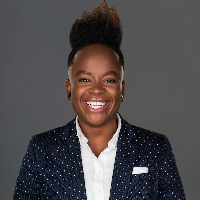
Florida · 17 yrs exp
Calm, practical counseling for life changes
Stress, Anxiety · Addictions · Family · Trauma and abuse · +11 more
Read profile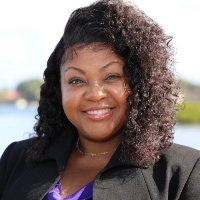
Florida · 9 yrs exp
Compassionate, practical therapy for life changes
Stress, Anxiety · Family · Parenting · Anger · +11 more
Read profile
Florida · 3 yrs exp
Support for parents and caregivers
Stress, Anxiety · Relationship · Trauma and abuse · Parenting · +11 more
Read profile
Florida · 9 yrs exp
Practical counseling that respects faith and choice
Stress, Anxiety · Trauma and abuse · Parenting · Depression · +10 more
Read profile
Florida · 40 yrs exp
Experienced clinician focused on relationships and family care
Stress, Anxiety · Relationship · Family · Trauma and abuse · +15 more
Read profile
Florida · 20 yrs exp
Compassionate LCSW with practical therapy skills
Stress, Anxiety · Trauma and abuse · Grief · Self esteem · +9 more
Read profile
Florida · 30 yrs exp
Support for parents and challenging youth
Stress, Anxiety · Family · Trauma and abuse · Parenting · +14 more
Read profile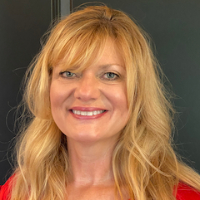
Florida · 9 yrs exp
Compassionate care for life transitions
Stress, Anxiety · Relationship · Trauma and abuse · Bipolar · +11 more
Read profile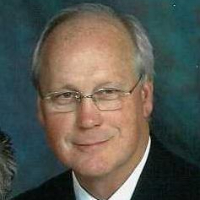
Florida · 11 yrs exp
Restoring balance in relationships and life
Relationship · Family · Trauma and abuse · Parenting · +14 more
Read profile
Florida · 25 yrs exp
Practical therapy for family and life transitions
Stress, Anxiety · Relationship · Family · Self esteem · +13 more
Read profile
Florida · 42 yrs exp
Experienced LCSW offering steady, practical support
Stress, Anxiety · Addictions · Relationship · Trauma and abuse · +15 more
Read profile
Florida · 12 yrs exp
Compassionate counselor for life transitions
Stress, Anxiety · Addictions · Trauma and abuse · Anger · +8 more
Read profile
Florida · 21 yrs exp
Practical, calm therapy for real-life challenges
Stress, Anxiety · Relationship · Family · Eating · +16 more
Read profile
Florida · 13 yrs exp
Compassionate counselor guiding practical change
Stress, Anxiety · Self esteem · Career · Coping with life changes · +9 more
Read profile
Florida · 25 yrs exp
Compassionate bilingual LCSW focused on practical care
Stress, Anxiety · LGBT · Trauma and abuse · Grief · +2 more
Read profile
Florida · 8 yrs exp
Practical mental health support with a personal approach
Stress, Anxiety · Family · Parenting · Self esteem · +1 more
Read profileIf you or someone you care about is navigating adoption, foster care, reunion or questions about identity, you may be facing a mix of emotions that do not fit a single narrative. Adults who grew up in care often explore themes of attachment, loss, belonging and medical or family history gaps. Adoptive and foster parents may be managing family adjustment, behavioral concerns, grief around loss, or the difficult balance between support and independence. Birth parents sometimes seek ways to process grief, manage contact or work through reunions. Each experience is individual, and therapy can be a place to explore how those experiences have shaped relationships, self-understanding and daily challenges.
On this directory page you will find profiles of professionals who list adoption and foster care among their focus areas. That listing does not mean a therapist handles legal or custody processes, and this directory does not provide services for children; check individual profiles and discuss scope directly to understand whether a clinician addresses your particular concern and population.
The phrase listed location refers to the region a clinician has associated with their profile; it does not by itself confirm an office, physical proximity, eligibility for every resident, or an active license in that place. You should review each profile carefully and confirm with the clinician that they have permission to work with you where you live. Professional credentials and degrees are described in different ways across countries, and a degree alone does not establish permission to practice.
In the United States, clinicians typically hold a professional license to provide therapy - the license type is separate from academic degrees such as PhD, PsyD, MD, MA or MSW. In the United Kingdom and Australia, clinicians may hold registration or membership with professional bodies rather than a US-style license. Profiles may list degrees, registrations, memberships or licensure information; treat those entries as descriptive and confirm current standing and the legal ability to work in your jurisdiction before beginning work together.
When you look at profiles, a useful next step is to prepare concrete questions that help you compare fit. Ask whether the clinician has experience working with people who share your role - adoptee, birth parent, adoptive parent or someone who grew up in care - and whether they have worked with the age range relevant to you. Inquire about experience with the issues you face whether that is identity exploration, attachment and bonding, reunification, grief, trauma-related reactions or family transition. Because profiles list approaches, ask how a clinician typically integrates the approaches they list and what that looks like in a session for someone with your background.
You can also ask about typical goals and measures of progress the clinician uses, while remembering that no therapist can promise a particular outcome. If you are considering work with family members, check whether the clinician actually provides family or couples services; a listed topic does not establish that the clinician treats children, couples or families. If a clinician lists specific therapeutic approaches, remember that this reflects what they report on their profile - you can ask them to explain how they apply those approaches with people affected by adoption or foster care.
If you are considering remote sessions, there are practical and ethical topics to clarify with a clinician ahead of time. Confirm that the clinician has legal permission to provide care to someone in your state, territory or country and that working with you where you live is appropriate. Discuss how sessions will be conducted and what technology you will use, and ask about how the clinician protects your privacy and records information. Talk through contingency plans for emergencies, including local crisis resources and whom you should contact if you need immediate help where you are located, because an online clinician cannot provide local emergency services directly.
Also address communication outside of sessions - how messages are handled, expected response times and what constitutes an urgent concern. If cultural, religious or language needs matter to you, ask how those needs will be incorporated into online work. Finally, be sure you and the clinician agree on the scope of work such as whether the focus is individual exploration, family adjustment, parenting support or preparation for a reunion conversation. This directory does not provide services for children, so if you are seeking care for a child, confirm directly with a clinician whether they work with children and under what conditions.
Comparing profiles is most productive when you consider several dimensions together rather than a single label. Look at the focus areas a clinician lists and read their description to understand whether they describe working with adoptees, birth parents, adoptive and foster parents or adults who grew up in care. Check the languages listed on a profile if communicating in a language other than English is important to you. Where clinicians list experience with cultural or identity issues, enquire about lived experience and perspectives they bring to that work, and how those perspectives inform clinical decisions.
Examine the academic degrees on a profile separately from professional permission to practice. A PhD, PsyD or MD describes an academic or clinical degree; licensure, registration or membership indicates a professional standing that may allow practice in a particular jurisdiction. In the United States ask whether a clinician is licensed in the state where you reside. In the United Kingdom or Australia look for mention of registration or membership with the relevant professional body and confirm its implications for practice. Also think about therapeutic style - whether you prefer a more exploratory, relational approach or a solution-focused, skills-oriented style - and ask clinicians to give examples of how they work. Concrete questions you might ask include how sessions are typically structured, how goals are set and reviewed, and what kind of homework or reflection they suggest between meetings.
Profiles are a starting point for comparison, not an endpoint. Use the profile text to generate specific questions about the populations a clinician works with, the approaches they list, the languages they offer, and the credentials they hold. Then reach out to the clinician to verify permission to work with you where you live and to clarify scope, session format and logistics. Taking these steps will help you make an informed choice about who to contact and what to expect when you begin exploring these sensitive and important topics related to adoption and foster care.
Abandonment
2501 therapists
Adoption
3765 therapists
Attachment Issues
2579 therapists
Blended Family Issues
2510 therapists
Caregiver Issues and Stress
2594 therapists
Communication Problems
3125 therapists
Compassion Fatigue
2062 therapists
Coping with Life Changes
3086 therapists
Family
2967 therapists
Family of Origin Issues
2173 therapists
Fatherhood Issues
1549 therapists
Fertility Issues
1149 therapists
Forgiveness
2773 therapists
Foster Care
3765 therapists
Life Purpose
2918 therapists
Parenting
2733 therapists
Relationship
3107 therapists
Self-Love
2904 therapists