- Practical assessment tools
- Trauma-informed care
- Results-focused sessions
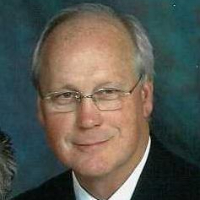
About David
David Thomas is a licensed marriage and family therapist with eleven years of experience helping people rebuild connection and balance. He brings a calm, faith-informed presence to sessions and focuses on restoring healthier ways of relating after conflict, loss, or trauma.
He works with individuals facing relationship strain, parenting challenges, mood difficulties, anxiety, and stress. He also addresses grief, addiction concerns, self-esteem struggles, and career-related pressures. Adoption and foster care matters are listed among his additional focus areas and may be part of conversations when relevant.
David uses practical assessment tools to guide care and keep therapy focused. These tools help clarify what’s happening and speed progress so people spend less time guessing what to do next. He aims for a concise, results-oriented process while remaining responsive to each person’s pace.
His clinical methods include client-centered therapy, cognitive behavioral therapy, and trauma-focused therapy. These approaches shape conversations and exercises that help people change unhelpful patterns and process difficult memories.
Outside of work he has been married for decades, is a parent and grandparent, and holds degrees in church music and counseling. He lives in Florida and practices as an LMFT (licensed marriage and family therapist).
How therapeutic approaches guide online care
Client-centered therapy focuses on listening and responding to each person’s experience. It helps people feel heard and shapes sessions around their priorities and goals.Cognitive behavioral therapy looks at the links between thoughts, feelings, and actions. It uses practical exercises to change unhelpful thinking and reduce symptoms like anxiety or depression.
Trauma-focused therapy helps people process painful memories and the reactions that follow. It offers ways to work through traumatic events so daily life becomes more manageable.
Deciding which approach to use is a collaborative process. The therapist will talk with the client about goals, preferences, and what has or hasn’t helped before. Together they will try methods that match the client’s needs and adjust them over time.
The practical benefits of online therapy include fitting sessions into a busy schedule and keeping continuity of care across distances. Because the biography does not list specific session formats, confirm available options before booking. These arrangements can make it easier to keep regular appointments, have shorter check-ins when needed, or avoid travel time while maintaining consistent therapeutic work.
Areas of expertise
Primary focus
Also works with
Additional focus areas
Therapeutic approaches
Experience
11+ years
Credentials
Florida, Tennessee
Languages
English
Frequently asked questions
What concerns does David address?
He helps people with relationship strain, parenting, trauma and abuse, depression, anxiety, stress, grief, addictions, and related issues.
What is his therapy style like?
Sessions are practical and direct, using compassionate listening and goal-focused work to change patterns and improve day-to-day functioning.
How long has he practiced?
He brings eleven years of clinical experience working with individuals and families in therapeutic settings.
What are his credentials and where is he based?
He is an LMFT licensed in Tennessee and Florida and practices from Florida.
Which languages are supported?
Sessions are offered in English and international clients are accepted.
What session formats are available?
The original biography does not list specific session formats, so confirm current session options with the service before booking.
How is cost handled?
Cost varies with location and therapist availability, and sessions use a subscription that can be canceled at any time.
How do I begin working together?
Select the Start Therapy button, complete a short matching questionnaire, and schedule according to therapist availability.