- Attachment informed
- Trauma focused
- Practical coping skills
About Philip
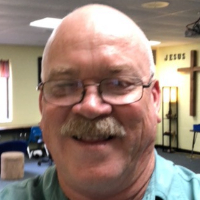
Philip Nicholas is a licensed professional counselor (LPC) practicing in Tennessee. He focuses on helping people who are dealing with trauma, addiction, anxiety, depression, and major life changes. Philip aims to create a steady, respectful space where clients can talk through painful experiences and start to rebuild day-to-day coping skills.
He draws from several practical approaches rather than relying on one method. That means sessions may include attention to how attachment patterns shape relationships, using cognitive behavioral techniques to shift unhelpful thoughts and behaviors, and mindful practices to manage stress in the moment. Philip also uses EMDR for processing traumatic memories when it fits a client's goals.
Philip has four years of clinical experience and brings that background to work with people facing grief, relationship strain, addiction concerns, parenting stress, and identity issues. He also lists additional focus areas such as adoption and foster care, abandonment, and first responder issues among others. These areas inform how he tailors conversations and goals in therapy.
Sessions emphasize collaboration and practical steps. Clients can expect clear, down-to-earth discussion of what’s happening now, experiments to try between meetings, and regular revisiting of goals. Philip aims to help people regain confidence, make healthier choices, and move forward from difficult events.
He provides services in English and practices in Tennessee. To begin, readers should use the platform’s Start Therapy flow to complete a short matching questionnaire and schedule sessions according to the therapist’s availability.
How these approaches translate to online work
Attachment-Based Therapy looks at how early bonds shape current relationships and emotional responses. Online sessions can use discussion and written exercises to notice patterns, name feelings, and try new ways of relating to others.Cognitive Behavioral Therapy (CBT) focuses on identifying unhelpful thoughts and testing small behavior changes. In remote work this often means a mix of talking, shared worksheets, and at-home experiments to change habits between sessions.
Eye Movement Desensitization and Reprocessing (EMDR) is a method used to process traumatic memories. When EMDR is part of treatment, the therapist guides clients through structured sets of attention and reflection to reduce the emotional intensity of difficult memories.
Finding the right approach is part of the process. The therapist will work collaboratively to choose methods that match a person’s needs, goals, and comfort level. That choice can shift over time as progress is reviewed and new priorities emerge.
Practical benefits of online therapy include fitting sessions into a busy schedule and avoiding travel time so therapy can more easily become part of a weekly routine. If you are considering working together, confirm which session formats are currently offered before you book so you know whether phone, video, or other options are available.
Areas of expertise
Primary focus
Also works with
Additional focus areas
Therapeutic approaches
Experience
4+ years
Credentials
Tennessee
Languages
English
Frequently asked questions
What concerns does this therapist address?
Philip works with a broad range of concerns including addictions, trauma and abuse, grief, parenting stress, anxiety, depression, ADHD, and relationship issues. He also lists additional focuses such as adoption and foster care, abandonment, and first responder issues.
What is his therapeutic style like?
His style blends compassionate listening with practical techniques. Sessions often combine attachment-focused discussion, cognitive behavioral exercises, and mindfulness tools to help manage symptoms and improve relationships.
How much clinical experience does he have?
Philip has four years of clinical experience working with people facing trauma, addiction, grief, and life transitions. That experience helps shape how he sets goals and plans interventions.
What credentials and location are listed?
He holds the credential LPC, which stands for Licensed Professional Counselor, and he practices in Tennessee.
Which languages are supported for sessions?
Sessions are offered in English. International clients are not currently accepted.
What session formats are available?
The original profile does not specify session formats. Please confirm current session options before booking so you know whether video, phone, or in-person meetings are offered.
How is cost handled for therapy?
Cost varies with location and therapist availability. Sessions use a subscription that can be canceled at any time.
How do I get started with this therapist?
Use the Start Therapy button, complete a short matching questionnaire, and schedule according to the therapist’s availability through the platform.