- Interactive approach
- Practical strategies
- Respectful care
About Katherine
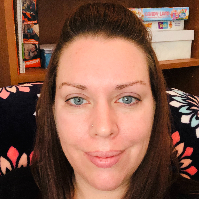
Katherine Waldrop is a Licensed Clinical Mental Health Counselor (LCMHC) who draws on an interactive, straightforward style to help people facing stress, anxiety, depression, trauma, and life transitions. She describes her approach as open and honest, with a touch of tough love. Katherine aims to treat people with respect and sensitivity while avoiding stigmatizing labels.
She has worked in mental health and developmental disability services since 2005 and gained full licensure in North Carolina in 2010. Her background includes Special Education work in Baltimore and roles as an Intensive In-Home Qualified Professional and team lead. Those experiences shaped her practical, hands-on approach to counseling.
Since 2010 Katherine has provided outpatient counseling for individuals coping with anger, low self-esteem, family separation, anxiety, trauma, and related concerns. She uses an eclectic mix of methods and adapts sessions to each person’s needs. Cognitive Behavioral Therapy is a frequent element of her work.
Her practice covers a broad range of difficulties, including ADHD, addictions, grief, relationship and intimacy issues, parenting strain, and mood disorders. She also lists adoption and foster care among additional focus areas and addresses attachment and blended family issues when relevant.
Katherine frames therapy as a collaborative process. She tailors discussions and plans to the person in front of her, combining client-centered listening with strategies drawn from CBT, mindfulness, and motivational techniques.
How Katherine’s approaches translate to online work
Client-Centered Therapy focuses on listening closely and following the person’s lead, helping them name what matters and set practical goals. It is useful for people who need a supportive space to make sense of feelings and choices.Cognitive Behavioral Therapy (CBT) looks at how thoughts, feelings, and actions connect and teaches tools to change unhelpful patterns. It is often used for anxiety, depression, stress, and behavioral concerns where skills practice helps between sessions.
Emotionally-Focused Therapy (EFT) helps people identify and shift patterns in close relationships by tracking emotional responses and trying new ways of relating. It can be helpful for communication and attachment-related struggles.
Choosing the best approach is part of the work together. Katherine will collaborate with each person to pick methods that match their goals, needs, and preferences, and she will adjust the plan as progress is made.
The biography does not list specific online formats, so confirm current session options before booking. Online work can make it easier to fit sessions into a busy life, shorten check-ins when schedules are tight, or reduce commuting time. Licensed professionals can use practical tools like skill exercises, guided mindfulness practices, and homework assignments to keep therapy moving forward in an online setting.
Areas of expertise
Primary focus
Also works with
Additional focus areas
Therapeutic approaches
Experience
11+ years
Credentials
North Carolina
Languages
English
Frequently asked questions
What concerns can Katherine help with?
She works with a wide range of issues including stress, anxiety, depression, trauma and abuse, ADHD, addictions, relationship and intimacy difficulties, parenting strain, grief, and mood disorders. Adoption and foster care concerns are also listed among her additional focus areas.
What is her general therapy style?
Her style is interactive and direct with an honest, respectful tone and sometimes a touch of tough love. She adapts the way she talks and plans treatment to fit each person.
How long has she been practicing?
Katherine has worked in mental health and developmental disability services since 2005 and has held full licensure in North Carolina since 2010, giving her 11 years of post-licensure experience noted in her profile.
Where is she based and licensed?
She is licensed as an LCMHC in North Carolina and practices from that state.
Which languages are supported?
Sessions are offered in English, and she is open to working with international clients.
What session formats are available?
The original biography does not specify session formats, so confirm current options before booking to know whether sessions are offered by video, phone, or in another format.
How are fees handled?
Cost varies with location and therapist availability, and sessions use a subscription that can be canceled at any time.
How do I begin working with her?
To start, select the Start Therapy button, complete a short matching questionnaire, and schedule sessions according to therapist availability.